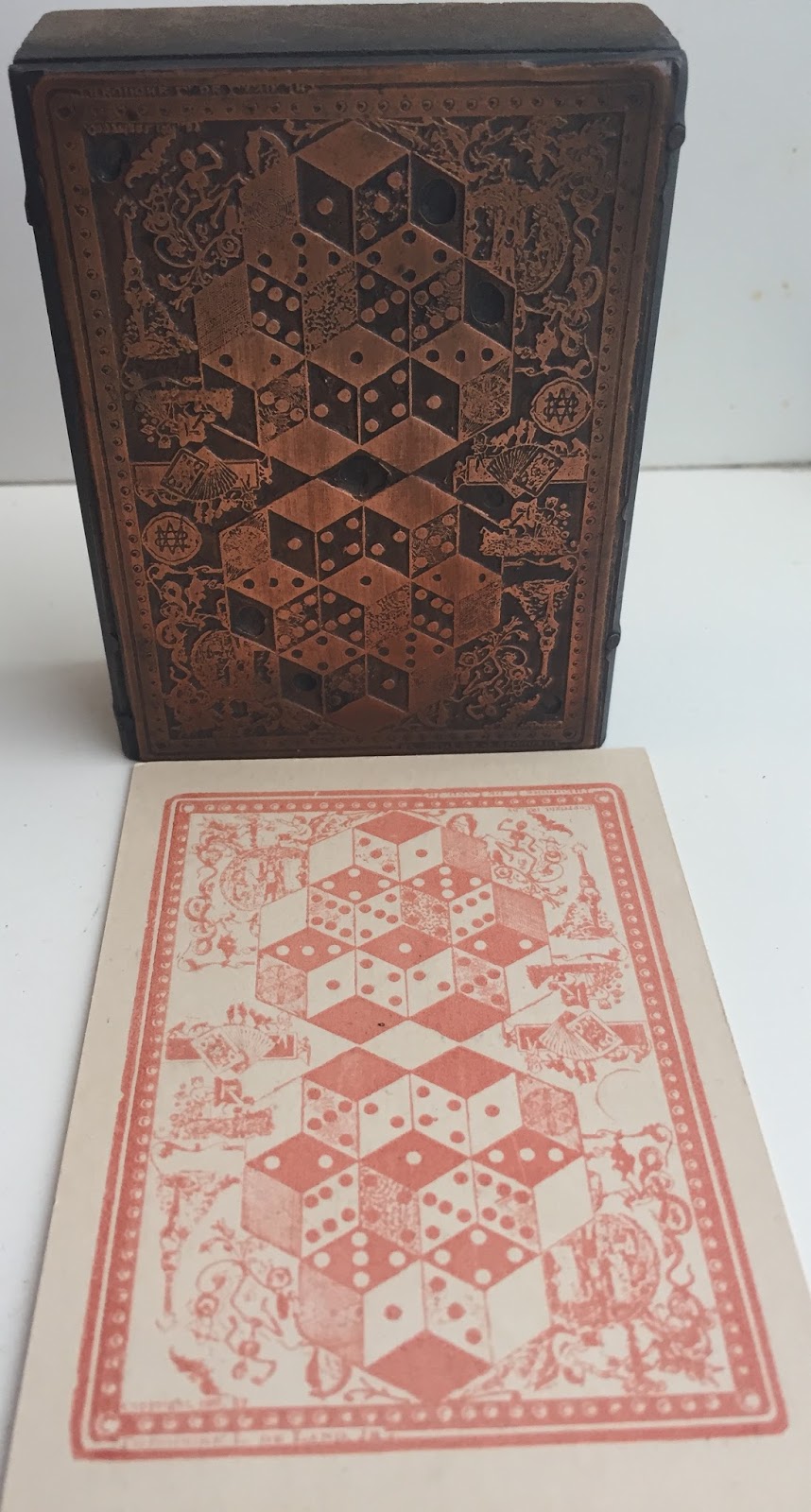
The front of the card features the logo of the Circle and lists past presidents beginning in 1925-26 when Professor El-Tab held the post. The reverse is the Theodore Deland back copyrighted 1913.
Over 100 magicians attended the event including a number from the Golden Gate Assembly #2 of the Society of American Magicians in San Francisco. The master of ceremonies was founding member and past President Lloyd Jones (1930-31). Jones was proprietor of Magic Limited in Oakland, California from around 1941 until his death. He published several in-house magazines including: The Bat, Bat, Jr., S.O.B., Jr. and finally Bat Droppings. He also wrote book reviews for Genii Magazine under a column titled "Light From the Lamp" for many years and later in Tops. He also served as a national president of the Society of American Magicians.
The show that evening was presented by local members including:
· Colonel Grant – Radio Artist on station KFI
· Robert S. Bailey – Londonderry Wizard
· K. Kelly
· Barkann Rosinoff
· Dr. Loren J. Ennis
· L. Caro Miller
The effects ranged from Sun and Moon, Spider Illusion, Phantom Tube Productions, billiard ball manipulations and concluded with a vibroharp selection. Outgoing President W.D. Allstrand was presented with the Circle’s Past President Jewel and the affair ended at 1 A.M.
The previous month, the Circle had celebrated “Zamloch Night,” in honor of Professor Anton F. Zamloch then in his 84th year. He was already an honorary member of the Circle for his record of trouping his magic show over fifty years in the U.S. Mexico, the Hawaiian Islands, and elsewhere. He started out in magic in 1869 and was one of the early “gift show” magicians. After retiring from long distance tours he confined his presentations to vaudeville. A magic show was presented in his honor and it was noted that in Burlingame’s 1891 book, “Leaves from Conjurors’ Scrap Books,” Zamloch was described as, “The leading conjuror of the Pacific Coast.
A month after the Seventh Annual Dinner and Dance, Zamloch passed away October 29th after suffering a heart attack. He was in excellent health at the time although advanced in years.
The photo above shows Zamloch with two of his stage effects, a table which raps in response to questions from the audience and a drum which does likewise. Not only were they worked on stage, they were also taken into the audience and placed in the aisles yet the replies came just the same.
The Oakland Magic Circle remains an active club to this day and meets at Bjornson Hall, 2258 MacArthur Blvd., Oakland, California on the first Tuesday of every month, except July. Their website was last updated in 2016. The list of past presidents below features some very talented full-time magicians and amateurs. From noted book collector, dealer, author and magic historian Byron Walker (current Secretary and Past President of the Circle), I learned that the president in 2017 was Nathaniel Segal. The president in 2018 is Doug Eakin.
OMC Past Presidents
1. Prof. El-Tab 1925
2. Arthur F. Bull 1926
3. Alfred Lamb 1927
4. Lewis Miller 1928
5. Claude Burke 1929
6. Lloyd E. Jones 1930
7. William D. Alstrand 1931
8. W. C. McCulloch 1932
9. Dr. L. J. Ennis 1933
10. R. S. Bailey 1934
11. James H. Muir 1935
12. Caro A. Miller 1936
13. Bert F. Hansen 1937
14. Clarence Cain 1938
15. R. S. Glover 1939
16. Robert J. Stull 1940
17. Lloyd E. Jones 1941
18. Ben R. Olsen 1942
19. Murray Rosenthal 1943
20. Jimmy Eyster 1944
21. Fred Braue 1945
22. Lawrence Hunter 1946
23. Almow A. Thompson 1947
24. John B. Lewis 1948
25. Larry C. Keller 1949
26. Larry C. Keller 1950
27. William Fleming 1951
28. Earl F. Wheeler 1952
29. William Fleming 1953
30. Bert F. Pratt 1954
31. Charles M. Chambers 1955
32. Charles C. Conrad 1956
33. Charles C. Conrad 1957
34. Marvin N. Burger 1958
35. Jimmy Embree 1959
36. Larry Oliveira 1960
37. Victor Merga 1961
38. Ralph M. Larion 1962
39. Price Burlingame 1963
40. Ralph J. Brown 1964
41. Lloyd E. Jones 1965
42. Kenneth B. Bull 1966
43. Kenneth B. Bull 1967
44. Roger Mycroft 1968
45. Peter A. Biro 1970
46. Peter A. Biro 1971
47. John P. Mac Namara 1972
48. Peter A. Biro 1973
49. Kenneth B. Bull 1974
50. Hal Dipboye 1975
51. Hal Dipboye/B. Huston 1976
52. Owen Barber 1977
53. Rene Castillo 1978
54. Richard Fleming 1979
55. Richard Fleming 1980
56. Lloyd E. Jones 1981
57. Mel Wittich 1982
58. Mike Palmer 1983
59. Cas Boxley/M. Palmer 1984
60. James Hamilton 1985
61. Larry Nelson 1986
62. Jeff Vines 1987
63. Dave Berry 1988
64. Dave Berry 1989
65. Fred Casto 1990
66. Fred Casto 1991
67. Tom Cutts 1992
68. Tom Cutts 1993
69. Tom Cutts 1994
70. Tom Cutts 1995
71. Dave Berry 1996
72. Dave Berry/Joe Green 1997
73. Tom Cutts 1998
74. Rich Stewman 1999
75. James Hamilton 2000
76. Dale Chung 2001
77. Dale Chung 2002
78. Dale Chung 2003
79. Peter Winch 2004
80. Bill Austen 2005
81. James Hamilton 2006
83. David F. Fry 2007
84. Scott Alcalay 2008
85. Scott Alcalay 2009
86. Scott Alcalay 2010
87. Michael Della Penna 2011
88.Scott Alcalay 2012
89. Scott Alcalay 2013
90. Byron Walker 2014
91. Michael Della Penna 2015
92. Mark Tarses 2016
Over 100 magicians attended the event including a number from the Golden Gate Assembly #2 of the Society of American Magicians in San Francisco. The master of ceremonies was founding member and past President Lloyd Jones (1930-31). Jones was proprietor of Magic Limited in Oakland, California from around 1941 until his death. He published several in-house magazines including: The Bat, Bat, Jr., S.O.B., Jr. and finally Bat Droppings. He also wrote book reviews for Genii Magazine under a column titled "Light From the Lamp" for many years and later in Tops. He also served as a national president of the Society of American Magicians.
The show that evening was presented by local members including:
· Colonel Grant – Radio Artist on station KFI
· Robert S. Bailey – Londonderry Wizard
· K. Kelly
· Barkann Rosinoff
· Dr. Loren J. Ennis
· L. Caro Miller
The effects ranged from Sun and Moon, Spider Illusion, Phantom Tube Productions, billiard ball manipulations and concluded with a vibroharp selection. Outgoing President W.D. Allstrand was presented with the Circle’s Past President Jewel and the affair ended at 1 A.M.
The previous month, the Circle had celebrated “Zamloch Night,” in honor of Professor Anton F. Zamloch then in his 84th year. He was already an honorary member of the Circle for his record of trouping his magic show over fifty years in the U.S. Mexico, the Hawaiian Islands, and elsewhere. He started out in magic in 1869 and was one of the early “gift show” magicians. After retiring from long distance tours he confined his presentations to vaudeville. A magic show was presented in his honor and it was noted that in Burlingame’s 1891 book, “Leaves from Conjurors’ Scrap Books,” Zamloch was described as, “The leading conjuror of the Pacific Coast.
A month after the Seventh Annual Dinner and Dance, Zamloch passed away October 29th after suffering a heart attack. He was in excellent health at the time although advanced in years.
The photo above shows Zamloch with two of his stage effects, a table which raps in response to questions from the audience and a drum which does likewise. Not only were they worked on stage, they were also taken into the audience and placed in the aisles yet the replies came just the same.
The Oakland Magic Circle remains an active club to this day and meets at Bjornson Hall, 2258 MacArthur Blvd., Oakland, California on the first Tuesday of every month, except July. Their website was last updated in 2016. The list of past presidents below features some very talented full-time magicians and amateurs. From noted book collector, dealer, author and magic historian Byron Walker (current Secretary and Past President of the Circle), I learned that the president in 2017 was Nathaniel Segal. The president in 2018 is Doug Eakin.
OMC Past Presidents
1. Prof. El-Tab 1925
2. Arthur F. Bull 1926
3. Alfred Lamb 1927
4. Lewis Miller 1928
5. Claude Burke 1929
6. Lloyd E. Jones 1930
7. William D. Alstrand 1931
8. W. C. McCulloch 1932
9. Dr. L. J. Ennis 1933
10. R. S. Bailey 1934
11. James H. Muir 1935
12. Caro A. Miller 1936
13. Bert F. Hansen 1937
14. Clarence Cain 1938
15. R. S. Glover 1939
16. Robert J. Stull 1940
17. Lloyd E. Jones 1941
18. Ben R. Olsen 1942
19. Murray Rosenthal 1943
20. Jimmy Eyster 1944
21. Fred Braue 1945
22. Lawrence Hunter 1946
23. Almow A. Thompson 1947
24. John B. Lewis 1948
25. Larry C. Keller 1949
26. Larry C. Keller 1950
27. William Fleming 1951
28. Earl F. Wheeler 1952
29. William Fleming 1953
30. Bert F. Pratt 1954
31. Charles M. Chambers 1955
32. Charles C. Conrad 1956
33. Charles C. Conrad 1957
34. Marvin N. Burger 1958
35. Jimmy Embree 1959
36. Larry Oliveira 1960
37. Victor Merga 1961
38. Ralph M. Larion 1962
39. Price Burlingame 1963
40. Ralph J. Brown 1964
41. Lloyd E. Jones 1965
42. Kenneth B. Bull 1966
43. Kenneth B. Bull 1967
44. Roger Mycroft 1968
45. Peter A. Biro 1970
46. Peter A. Biro 1971
47. John P. Mac Namara 1972
48. Peter A. Biro 1973
49. Kenneth B. Bull 1974
50. Hal Dipboye 1975
51. Hal Dipboye/B. Huston 1976
52. Owen Barber 1977
53. Rene Castillo 1978
54. Richard Fleming 1979
55. Richard Fleming 1980
56. Lloyd E. Jones 1981
57. Mel Wittich 1982
58. Mike Palmer 1983
59. Cas Boxley/M. Palmer 1984
60. James Hamilton 1985
61. Larry Nelson 1986
62. Jeff Vines 1987
63. Dave Berry 1988
64. Dave Berry 1989
65. Fred Casto 1990
66. Fred Casto 1991
67. Tom Cutts 1992
68. Tom Cutts 1993
69. Tom Cutts 1994
70. Tom Cutts 1995
71. Dave Berry 1996
72. Dave Berry/Joe Green 1997
73. Tom Cutts 1998
74. Rich Stewman 1999
75. James Hamilton 2000
76. Dale Chung 2001
77. Dale Chung 2002
78. Dale Chung 2003
79. Peter Winch 2004
80. Bill Austen 2005
81. James Hamilton 2006
83. David F. Fry 2007
84. Scott Alcalay 2008
85. Scott Alcalay 2009
86. Scott Alcalay 2010
87. Michael Della Penna 2011
88.Scott Alcalay 2012
89. Scott Alcalay 2013
90. Byron Walker 2014
91. Michael Della Penna 2015
92. Mark Tarses 2016